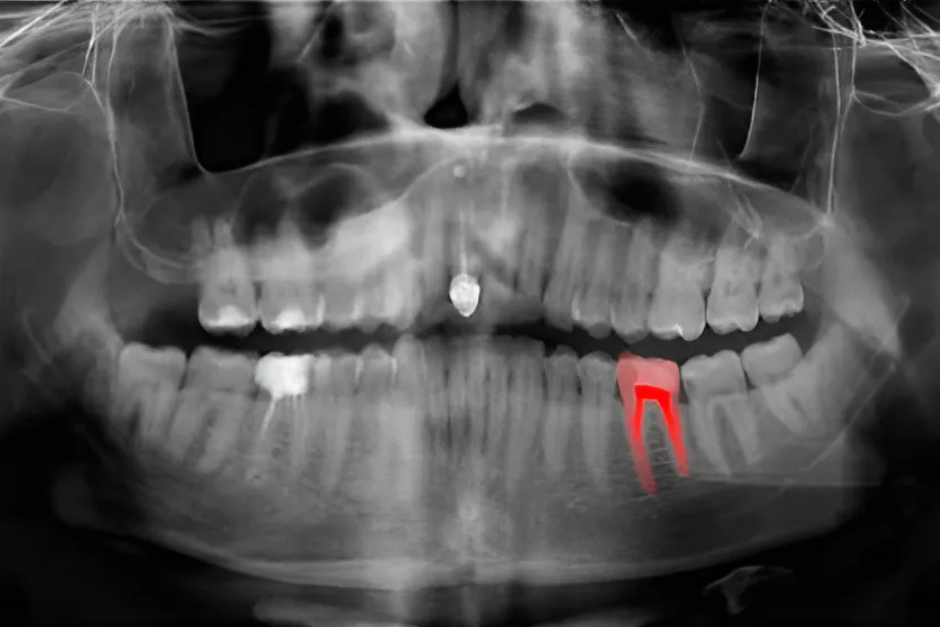
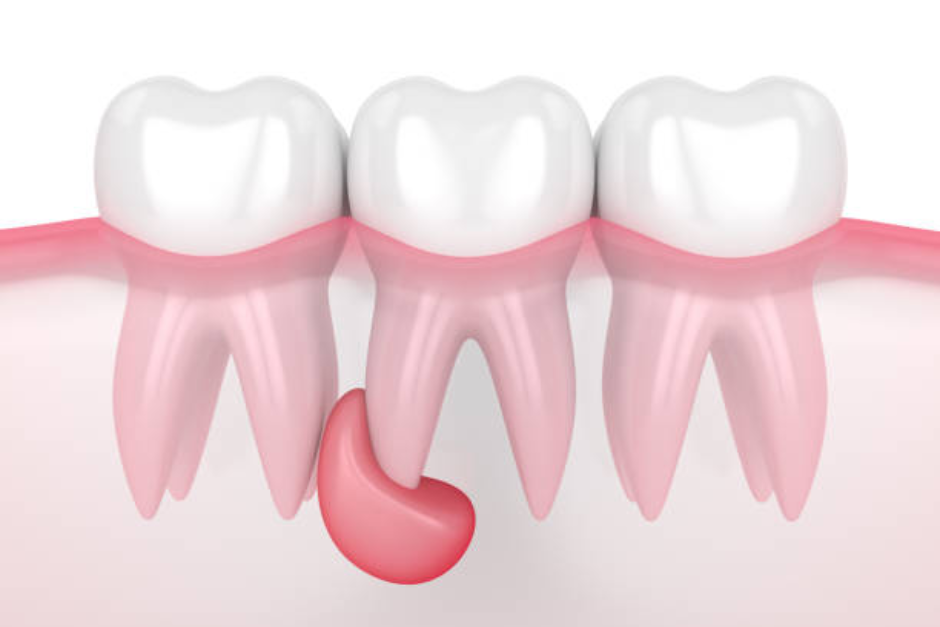
Dental abscesses are inflammatory conditions that can arise from tooth decay or infections affecting the surrounding periodontal tissues. They may present as:
- Small abscesses within the soft tissues (gums)
- Deep abscesses within the bone surrounding the tooth
Clinical and radiographic examination is essential to determine the type and origin of the abscess. The timing and method of surgical intervention depend on the size, nature (acute or chronic), and whether the abscess is fluctuating or diffuse.
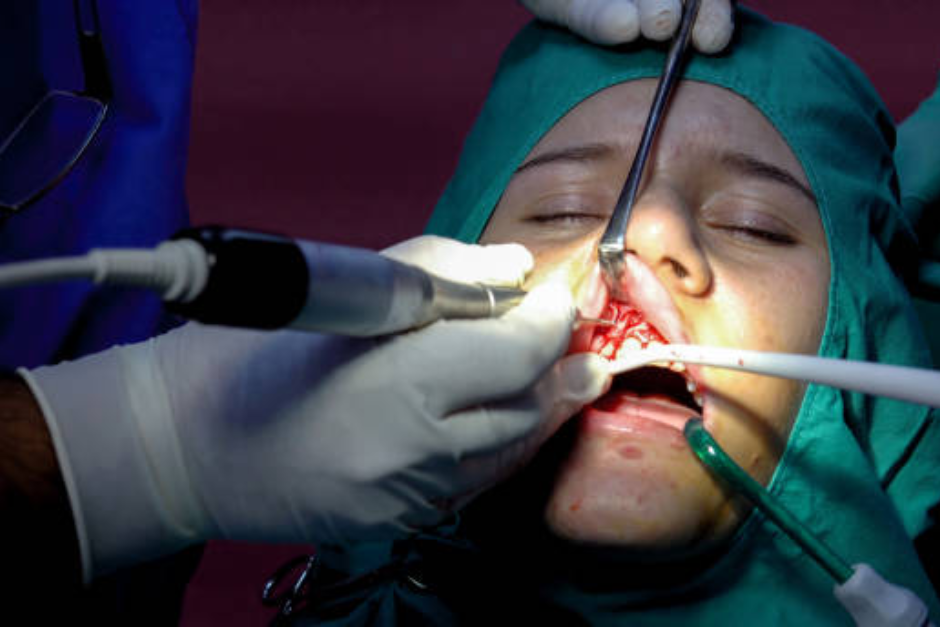
Small and medium-sized abscesses are typically drained in the clinic under local anesthesia. This is done by making a small incision at the most fluctuant point of the abscess, while considering vital and aesthetic facial structures when drainage is performed extra-orally. A drainage strip is then placed and secured to maintain evacuation of pus until the final treatment—such as root canal therapy or extraction—is completed.
Abscess drainage is moderately painful but always performed under local anesthesia. Pain increases with larger or widely spreading abscesses; in such cases, hospital referral is recommended to avoid complications.
Antibiotics are usually prescribed before and after the surgical procedure to support the body in fighting infection and to prevent bacteria from spreading into the bloodstream.