
Computer-Guided & Digital Dental Implants
Your New Smile the Same Day
At Dr. Tammam Saqr’s clinic, we understand that surgical expertise and manual skill are the foundation of excellent care. But combining this experience with advanced digital technologies creates a new level of precision, comfort, and confidence for our patients—where efficiency is higher, accuracy is unmatched, and traditional waiting times no longer exist in the world of digital dentistry
What Are Digital Dental Implants?
Digital dental implants rely on advanced computer-based technologies, utilizing digital scanning and 3D imaging to perform a highly accurate analysis of the jaw and oral structures.
This allows for fully automated, precise virtual planning of each case using specialized software—resulting in implant placement that is more accurate, faster, and far more comfortable for the patient.
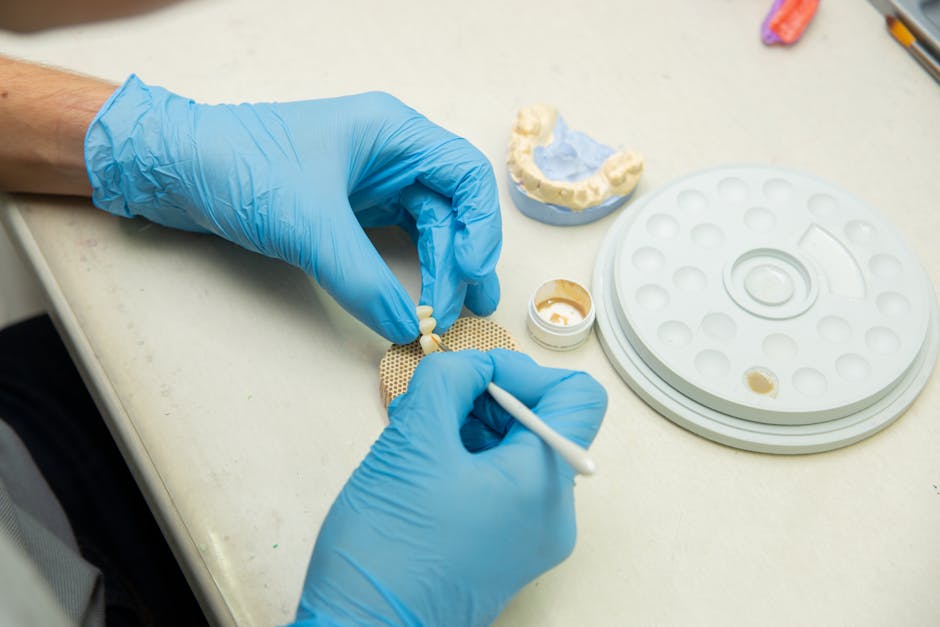
Restore your smile today
Digital dental implants are not just a treatment—they are a life-changing solution.
They restore your confidence, improve your health, and elevate your quality of life in record time.

Computer-Guided Dental Implant Technique (Surgical Guide)
In this approach, implant positions are pre-determined on the computer.
A custom 3D-printed surgical guide is then designed and produced using precise digital materials and fabrication technologies.
This surgical guide is placed inside the patient’s mouth during the procedure, ensuring the implants are inserted exactly according to the digital plan.
Advantages
Ideal for beginner and experienced clinicians
Reduces human error
Offers a safer, more predictable implant procedure
Ensures unparalleled accuracy when the guide is designed with precision and high-quality materials
This is why the method is known as computer-guided implant placement—a simple, highly accurate, and modern technique that enhances safety and outcomes.

Digital Implant Navigation Technique (Navigation System)
This technique is one of the most advanced digital dentistry innovations worldwide.
It is based on a real-time connection between digital imaging and surgical implant guidance, similar to how a GPS navigation system guides a driver.
How it works
Multiple electronic sensors are placed around the patient, on the jaw inside the mouth, and on the surgical handpiece
These sensors continuously track the movement and depth of the drilling instruments
The data is analyzed by specialized software and displayed on a live navigation screen in front of the surgeon
The system provides precise visual guidance, ensuring that drilling is performed in the exact location, angle, and depth planned in the 3D CT scan
Although this technique is considered a “freehand guided system” (not requiring a physical surgical guide), it demands highly advanced equipment and significant training and skill from the surgeon
Still, it represents the true beginning of artificial intelligence integration in the future of dental implantology